
In today’s fast-paced digital landscape, the demand for high-quality visual content is greater than ever. Businesses across various sectors are increasingly recognizing the importance of 3D rendering services as a powerful tool to enhance their marketing strategies and product presentations. Whether it’s for architectural visualization, product design, or immersive experiences, 3D rendering provides a unique way to visualize concepts and engage audiences. This article delves into the multifaceted benefits of 3D rendering services and how they can transform your business.
What is 3D Rendering?
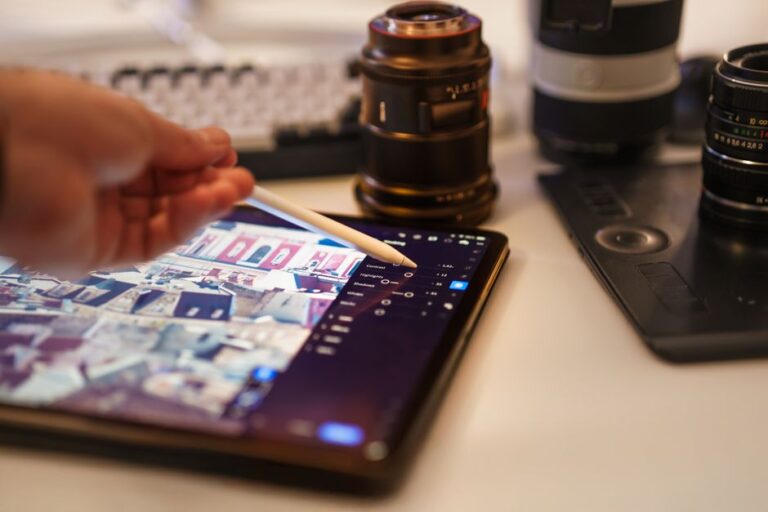
3D rendering is the process of creating a two-dimensional image or animation from a three-dimensional model. The model is built using specialized software that allows designers to manipulate shapes, textures, lighting, and colors to produce realistic images. This technology has applications in various fields, including architecture, interior design, product design, and even film production.
The process typically involves several steps, including modeling, texturing, lighting, and rendering. Each step is crucial in achieving the desired realism and detail. For instance, in architectural visualization, the lighting can dramatically affect the appearance of a space, influencing how potential buyers perceive it.
Benefits of Using 3D Rendering Services
There are numerous advantages to incorporating 3D rendering services into your business operations. First and foremost, they enhance communication. Visual aids can convey complex ideas more effectively than text, making it easier for stakeholders to understand project goals and outcomes.
Moreover, 3D renderings allow for quick iterations. Designers can test different materials, colors, and designs without the need for costly physical prototypes. This flexibility not only saves time but also reduces overall production costs.
Additionally, 3D rendering services can significantly improve marketing efforts. High-quality visual content can attract more attention and engagement from potential customers. For example, a furniture company that utilizes 3D renderings in its marketing campaigns can showcase products in various settings, helping customers envision how they would fit in their spaces.
Real-World Applications of 3D Rendering
3D rendering is not limited to just one industry; its applications are vast and varied. In real estate, for instance, virtual tours created with 3D renderings can give potential buyers an immersive experience of a property before it is built. This approach can lead to faster sales and higher customer satisfaction.
In the automotive industry, manufacturers often use 3D rendering to visualize new models and features before they hit the production line. This allows for better design decisions and can significantly shorten the time to market.
Moreover, in the entertainment industry, 3D rendering is essential for creating stunning visual effects and animations. Films and video games rely heavily on this technology to create immersive environments that captivate audiences.
Choosing the Right 3D Rendering Service Provider
When selecting a 3D rendering service provider, it’s essential to consider several factors. Look for a company with a robust portfolio that showcases a range of styles and capabilities. Client testimonials can also provide insight into the provider’s reliability and quality of work.
Additionally, it is crucial to discuss your specific needs and expectations with the provider. A good service provider should be able to offer a tailored solution that aligns with your project requirements. For example, if you need a 3D rendering service for a complex architectural project, ensure that the provider has experience in that area.
The Future of 3D Rendering
The future of 3D rendering looks promising, with advancements in technology continually pushing the boundaries of what is possible. Emerging technologies such as virtual reality (VR) and augmented reality (AR) are set to revolutionize how we experience 3D content. These innovations will allow users to interact with 3D models in real-time, enhancing the overall experience.
Moreover, as rendering software becomes more accessible and user-friendly, more businesses will likely adopt this technology. The demand for high-quality visual content will only increase, making 3D rendering an essential service for companies looking to stay competitive.
Conclusion
In conclusion, 3D rendering services offer immense potential for businesses seeking to enhance their visual communication and marketing strategies. By understanding the benefits and applications of this technology, companies can leverage 3D rendering to drive innovation, improve customer engagement, and ultimately achieve greater success in their respective industries. As the technology continues to evolve, staying ahead of the curve will be crucial for businesses aiming to harness the full power of 3D rendering.
About the Author