
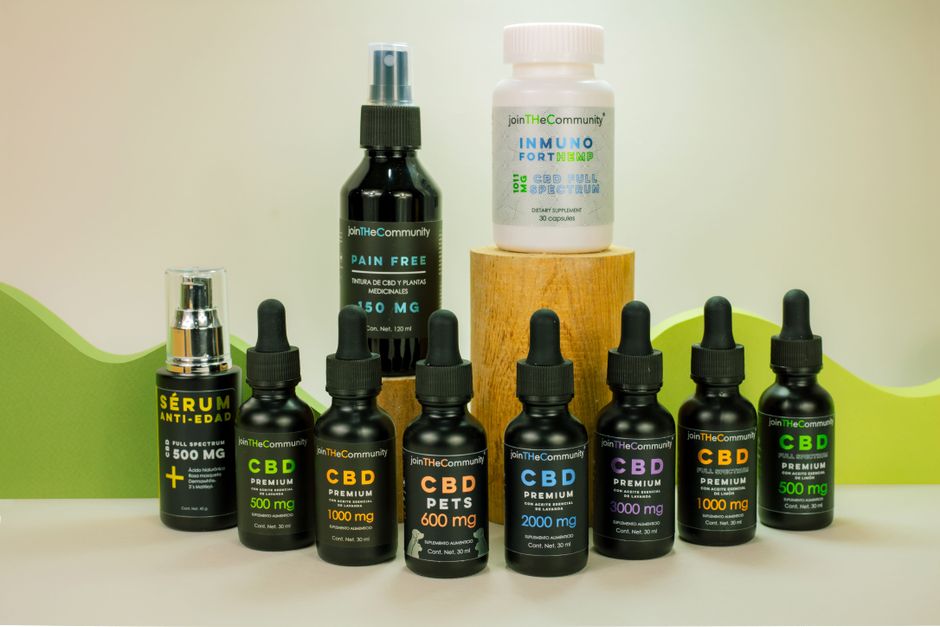
The rise of CBD products in the wellness and health sectors has transformed the market landscape. As consumers increasingly seek natural alternatives for health and wellness, businesses are capitalizing on this trend by exploring the wholesale opportunities in the CBD industry. In this article, we will delve into the essentials of CBD product wholesale, examining its benefits, market dynamics, and practical insights for businesses looking to enter this lucrative market.
Understanding CBD and Its Market Growth
CBD, or cannabidiol, is a compound found in cannabis plants, known for its therapeutic properties without the psychoactive effects associated with THC. The global CBD market has experienced exponential growth, with estimates suggesting it could reach over $20 billion by 2024. This surge is driven by increasing consumer awareness and acceptance of CBD products, from oils and edibles to topical creams.
One significant factor contributing to this growth is the legalization of hemp-derived CBD in many regions, particularly in the United States. Following the 2018 Farm Bill, which legalized hemp cultivation, businesses have been able to produce and sell CBD products more freely. This has opened the floodgates for wholesale opportunities, allowing retailers to stock a variety of CBD products and cater to diverse consumer preferences.
The Benefits of CBD Product Wholesale
Engaging in CBD product wholesale offers several advantages for businesses. First and foremost, it allows retailers to access a wide range of products without having to invest in manufacturing. This means lower upfront costs and reduced risk. Retailers can choose from various suppliers, ensuring they can offer high-quality products that meet their customers’ needs.
Additionally, wholesale purchasing often comes with discounts, allowing businesses to maximize their profit margins. For instance, by purchasing in bulk, retailers can benefit from economies of scale, reducing their overall cost per unit. This is particularly beneficial in a competitive market where price sensitivity can impact sales.
Moreover, the flexibility of wholesale arrangements enables businesses to test different products and brands. Retailers can experiment with new offerings without the burden of significant financial commitment, allowing them to stay ahead of market trends.
Choosing the Right Supplier
Finding a reliable supplier is crucial for the success of a CBD wholesale business. Retailers should conduct thorough research, looking for suppliers with a solid reputation in the industry. It is essential to verify that the products are third-party tested to ensure safety and quality.
Moreover, retailers should consider the supplier’s range of products. A supplier offering a diverse selection of CBD products, such as oils, gummies, and topical creams, can provide retailers with more options to cater to their customers’ preferences. It’s also advisable to assess the supplier’s shipping and fulfillment capabilities, as timely delivery is key to maintaining customer satisfaction.
Additionally, understanding the supplier’s pricing structure and terms is vital. Some suppliers may offer better pricing for larger orders, while others might have more flexible terms that can suit small businesses. Establishing a good relationship with suppliers can also lead to better negotiation opportunities in the future.
Marketing Your CBD Wholesale Products
Once businesses have sourced their CBD products, the next step is effective marketing. Given the unique nature of CBD, marketing strategies should focus on educating consumers about the benefits and uses of CBD products. This could involve content marketing, where businesses create informative blog posts or videos that explain the advantages of CBD.
Social media is another powerful tool for marketing CBD products. Platforms like Instagram and Facebook can help businesses reach a wider audience, though it’s important to navigate advertising regulations carefully, as they can vary significantly between platforms and regions.
Moreover, building a strong brand identity can differentiate a business in a crowded market. This includes designing appealing packaging, creating a user-friendly website, and engaging with customers through newsletters and promotions. Establishing trust and credibility is essential, as consumers are more likely to purchase from brands they perceive as reputable.
Future Trends in the CBD Wholesale Market
The future of the CBD wholesale market looks promising, with continuous innovation and product development. Trends such as the increasing popularity of CBD-infused beverages and wellness products indicate that consumer interests are evolving. Businesses that stay attuned to these trends will be better positioned to capitalize on emerging opportunities.
Furthermore, the regulatory landscape for CBD is constantly evolving. Retailers should keep abreast of changes to ensure compliance and avoid potential pitfalls. Being proactive in understanding regulations can also provide a competitive edge, as businesses that prioritize compliance will likely gain consumer trust.
In conclusion, the CBD product wholesale market presents a wealth of opportunities for businesses. By understanding the market dynamics, choosing the right suppliers, and implementing effective marketing strategies, retailers can successfully navigate this booming industry. For those looking to explore the potential of the wholesale market, CBD product wholesale is an avenue worth considering.
Conclusion
As the demand for CBD products continues to grow, the wholesale market represents an exciting opportunity for businesses. The key to success lies in thorough research, strategic partnerships, and effective marketing. By leveraging these insights, retailers can position themselves as leaders in the CBD market, catering to the evolving needs of consumers around the globe.
About the Author