In recent years, the demand for baby furniture has surged, driven by a growing population and an increasing number of parents seeking quality products for their little ones. Wholesale purchasing has become a popular option for retailers and individuals alike, allowing them to save money while stocking up on essential items. This article delves into the world of baby furniture wholesale, exploring the latest trends, tips for successful purchasing, and how to choose the right suppliers.
Understanding the Baby Furniture Market
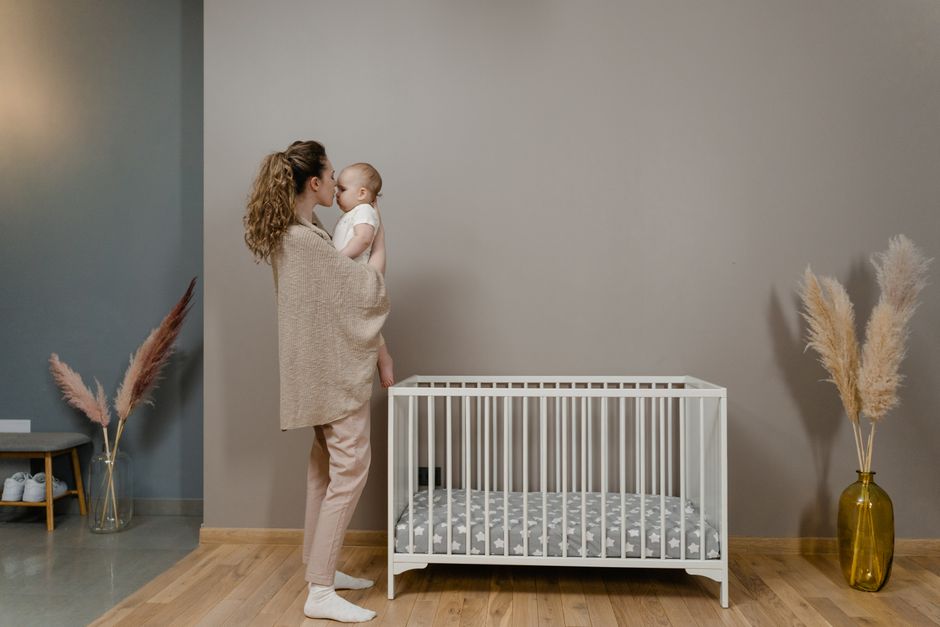
The baby furniture market is not just about cribs and changing tables; it encompasses a wide range of products including high chairs, dressers, and playpens. According to a report by Grand View Research, the global baby furniture market is expected to reach USD 12.5 billion by 2025, growing at a CAGR of 6.7%. This growth is fueled by the increasing awareness of child safety and the demand for multifunctional furniture.
Retailers looking to thrive in this competitive market must stay updated on the latest trends. For example, eco-friendly materials and designs that promote sustainability are gaining traction among consumers. Parents are more inclined to purchase furniture made from non-toxic materials that ensure their child’s safety while also being environmentally responsible.
Benefits of Buying Baby Furniture Wholesale
Purchasing baby furniture wholesale offers numerous advantages, especially for small businesses and startups. One of the primary benefits is the cost savings that come from buying in bulk. Retailers can enjoy significant discounts, which can be passed on to customers, enhancing competitiveness.
Additionally, wholesale buying allows for a broader selection of products. Retailers can access a variety of styles and designs that cater to different customer preferences. This diversity is crucial in appealing to a wider audience, as parents often have specific tastes regarding their children’s furniture.
Moreover, establishing relationships with wholesale suppliers can lead to better service and support. Many suppliers offer marketing assistance, product training, and even logistics support, which can be invaluable for new retailers navigating the market.
Finding the Right Wholesale Suppliers
When it comes to sourcing baby furniture wholesale, choosing the right suppliers is critical. Retailers should consider factors such as product quality, pricing, and shipping options. It’s essential to conduct thorough research and request samples to assess the craftsmanship and materials used in the furniture.
Another important aspect is the supplier’s reputation. Reading reviews and seeking recommendations from other retailers can provide insight into a supplier’s reliability. Attending trade shows and industry events is another effective way to connect with potential suppliers and view their products firsthand.
For those looking to start their wholesale journey, platforms like baby furniture wholesale can be a great starting point. These platforms offer a curated selection of high-quality products, making it easier for retailers to find what they need without the hassle of extensive research.
Tips for Successful Wholesale Buying
To maximize the benefits of wholesale purchasing, retailers should develop a strategic approach. First, it’s important to analyze sales trends and customer preferences to make informed purchasing decisions. Understanding which items are in demand can help in selecting the right products to stock.
Additionally, setting a budget and sticking to it is crucial. Wholesale buying can lead to overspending if not carefully monitored. Retailers should calculate potential profit margins before making large purchases to ensure sustainability.
Lastly, maintaining good communication with suppliers can enhance the buying experience. Clear communication regarding order quantities, delivery timelines, and payment terms can prevent misunderstandings and ensure a smooth transaction process.
Conclusion: Embracing the Future of Baby Furniture Wholesale
The baby furniture wholesale market presents a wealth of opportunities for retailers looking to capitalize on the growing demand for quality products. By understanding market trends, sourcing from reliable suppliers, and implementing effective purchasing strategies, businesses can thrive in this competitive landscape. As parents continue to prioritize safety, sustainability, and style, those who adapt to these changes will be well-positioned for success.
About the Author