In today’s fast-paced business environment, creating a functional and aesthetically pleasing workspace is crucial for any organization. This is where the expertise of a commercial interior designer comes into play. They not only enhance the visual appeal of a space but also improve its functionality, contributing to employee productivity and overall business success.
Understanding the Role of a Commercial Interior Designer
A commercial interior designer specializes in designing spaces used for commercial purposes, such as offices, retail stores, restaurants, and hotels. Their work involves understanding the client’s needs, developing a design concept, and bringing that vision to life. This requires a comprehensive understanding of design principles, building codes, and the latest trends in interior design.
One of the primary responsibilities of a commercial interior designer is to create plans that maximize space efficiency while ensuring that the design aligns with the brand’s identity. They often collaborate with architects, engineers, and contractors to ensure the seamless execution of a project. For instance, a well-designed office can improve employee morale and encourage collaboration, which can lead to increased productivity.
Key Elements in Commercial Interior Design
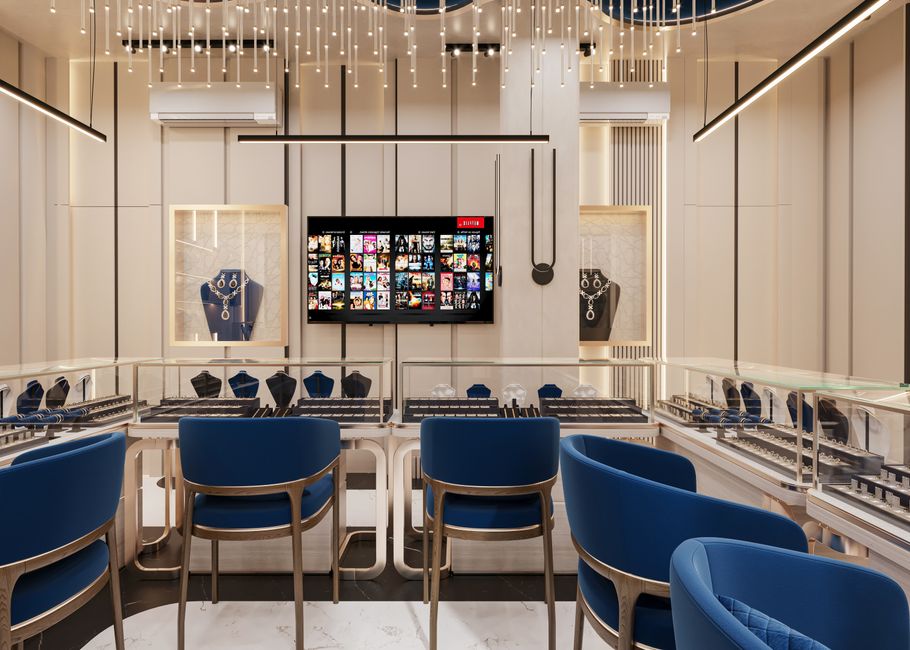
When it comes to commercial interior design, several key elements must be carefully considered. These include space planning, color schemes, furniture selection, and lighting design. Each of these elements plays a crucial role in creating an inviting and functional space.
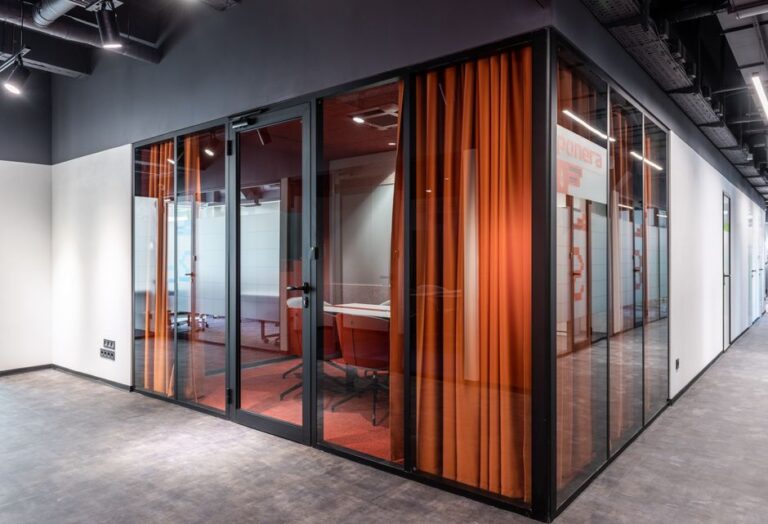
Space planning is often the first step in the design process. It involves determining how furniture and equipment will be arranged to ensure a smooth flow of movement within the space. For example, an open office layout can foster communication and teamwork, while private offices can provide employees with the quiet they need for focused work.
The Importance of Sustainability in Design
In recent years, sustainability has become a significant focus in commercial interior design. Many businesses are now seeking to create environmentally friendly spaces that reflect their commitment to sustainability. A skilled commercial interior designer will incorporate sustainable materials and energy-efficient solutions into their designs.
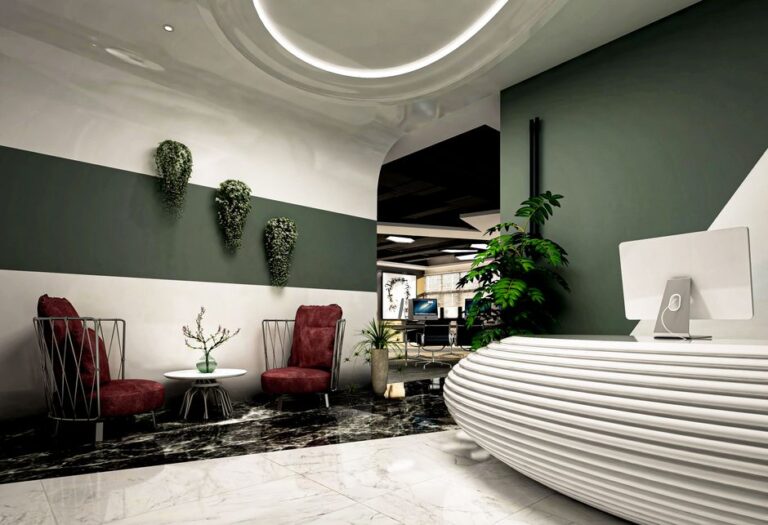
For instance, using reclaimed wood for flooring or energy-efficient lighting can significantly reduce a company’s carbon footprint. Additionally, incorporating biophilic design elements, such as indoor plants, can enhance air quality and provide a more pleasant working environment.
Trends Shaping Commercial Interior Design
The commercial interior design industry is continuously evolving, with new trends emerging each year. Currently, some of the most popular trends include minimalist design, flexible workspaces, and the integration of technology within the workspace.
Minimalist design focuses on simplicity and functionality, often characterized by clean lines and a neutral color palette. This approach can create a calming atmosphere that enhances focus and productivity. On the other hand, flexible workspaces allow businesses to adapt their environments to meet the changing needs of their employees.
Choosing the Right Commercial Interior Designer
Selecting the right commercial interior designer is crucial for the successful completion of any project. When looking for a designer, it is essential to consider their experience, portfolio, and understanding of your specific industry. A designer with a proven track record in your field will have valuable insights into the unique challenges and opportunities your business faces.
Additionally, effective communication between the designer and the client is vital for a successful project. A good designer will listen to your ideas and incorporate them into the design, ensuring that the final result aligns with your vision. For those in search of a reputable professional, a commercial interior designer can provide the expertise needed to transform your business space.
Conclusion
The role of a commercial interior designer is essential in creating spaces that are not only functional but also reflect the brand’s identity. By understanding the key elements of design, the importance of sustainability, and the latest trends, businesses can create environments that enhance productivity and employee satisfaction. Investing in professional interior design is not just an aesthetic choice; it is a strategic decision that can lead to long-term success.
About the Author