Music videos have become a vital part of the music industry, serving not only as a promotional tool but also as a creative outlet for artists. The process of music video production is an intricate blend of artistic vision, technical expertise, and strategic planning. In this article, we will explore the various stages of producing a music video, from conceptualization to post-production, and understand why each step is essential to creating a compelling visual narrative.
Understanding the Concept
The first step in music video production is the conceptualization of the idea. This phase involves brainstorming and developing a storyline that aligns with the song’s themes and emotions. Collaborating with the artist, directors, and writers is crucial at this stage to ensure that the vision is cohesive. For example, a song about heartbreak may inspire a narrative that explores loss and nostalgia, while a party anthem might lead to vibrant visuals filled with energy and excitement.
Researching current trends in music videos can also provide valuable insights. Many successful music videos incorporate elements that resonate with contemporary audiences, such as visual effects, choreography, or unique locations. This is where the role of a director becomes pivotal, as they bring creative ideas to life while ensuring that the production stays true to the artist’s identity.
Pre-Production Planning
Once the concept is solidified, the pre-production phase begins. This stage involves meticulous planning, including location scouting, casting, and scheduling. Choosing the right locations is essential; they should enhance the narrative and provide a visually appealing backdrop. For instance, a beach setting may be perfect for a summer hit, while an urban landscape might suit a hip-hop track.
Additionally, casting the right actors or dancers is vital for bringing the story to life. A strong performance can elevate a music video, making it more relatable and engaging for viewers. During this phase, a detailed shot list and production schedule are created, outlining each scene’s requirements and timelines, which helps keep the production on track.
The Production Process
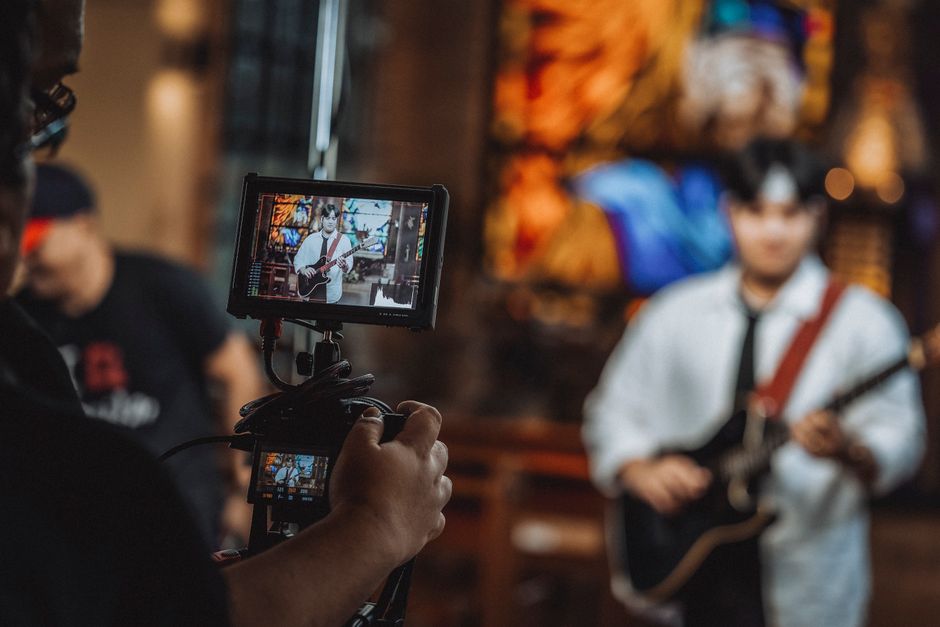
With all the preparation complete, it’s time to move into the production phase. This is where the magic happens, and the vision comes to life on set. Coordination among the crew, including camera operators, lighting technicians, and makeup artists, is crucial for a smooth filming process.
During filming, it’s important to capture multiple takes of each shot to ensure that there are plenty of options during the editing phase. The director often collaborates closely with the cinematographer to achieve the desired look and feel, using techniques such as lighting adjustments and camera angles to enhance the visuals. It’s also common to incorporate live performances from the artist, adding authenticity and energy to the final product. At this stage, some teams might also explore innovative filming techniques, such as drone shots or slow-motion captures, to add a unique flair to the video.
Post-Production Magic
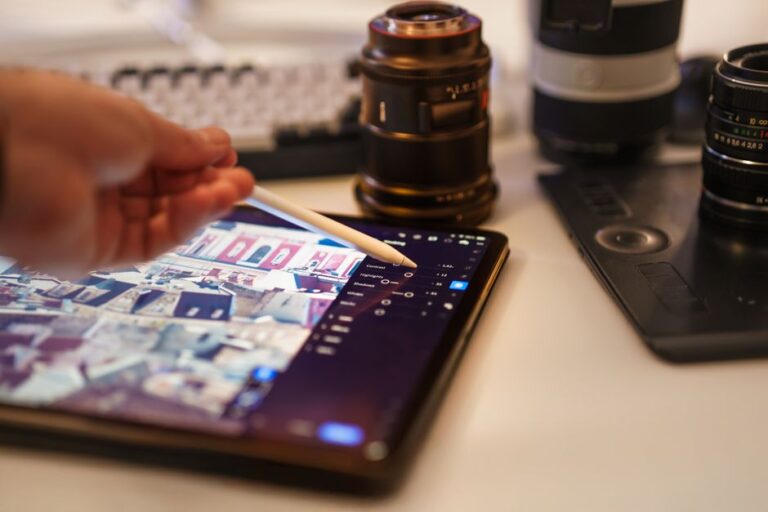
After filming wraps, the project moves into post-production, where the video is edited, colored, and finalized. Editing is a critical step, as it determines the pacing, flow, and overall feel of the music video. Editors work to cut together the best takes, synchronize the visuals with the music, and add any necessary effects or transitions.
Color grading is another essential element of post-production. This process enhances the video’s mood by adjusting colors and tones to match the song’s vibe. For example, a darker color palette may be used for a somber ballad, while bright, saturated colors might be chosen for an upbeat pop track. Sound design also plays a role, where sound effects or additional audio layers can be added to enrich the viewer’s experience.
Distribution and Marketing
Once the music video is complete, the next step is distribution and marketing. This phase is crucial for maximizing the video’s reach and impact. Platforms like YouTube, social media, and music streaming services are essential channels for sharing the video with a wider audience. Creating teasers and promotional material can also generate excitement leading up to the release.
In today’s digital age, leveraging social media is vital for engaging with fans. Artists often share behind-the-scenes footage or snippets from the video to build anticipation. Collaborating with influencers or utilizing paid promotions can further enhance visibility and drive traffic to the video once it’s released.
Ultimately, the success of a music video can significantly impact the artist’s career, making the production process an investment in their future. According to a recent study, music videos can increase song streams by up to 70%, showcasing their importance in the overall marketing strategy.
Conclusion
Music video production is a multifaceted process that requires creativity, organization, and technical skills. Understanding each phase, from concept development to post-production and marketing, is essential for anyone looking to create impactful music videos. As the landscape of the music industry continues to evolve, staying informed about the latest trends and technologies will be crucial. For those interested in diving deeper into the world of music video production, embracing innovation and collaboration will undoubtedly lead to exciting and memorable visual storytelling.
About the Author