
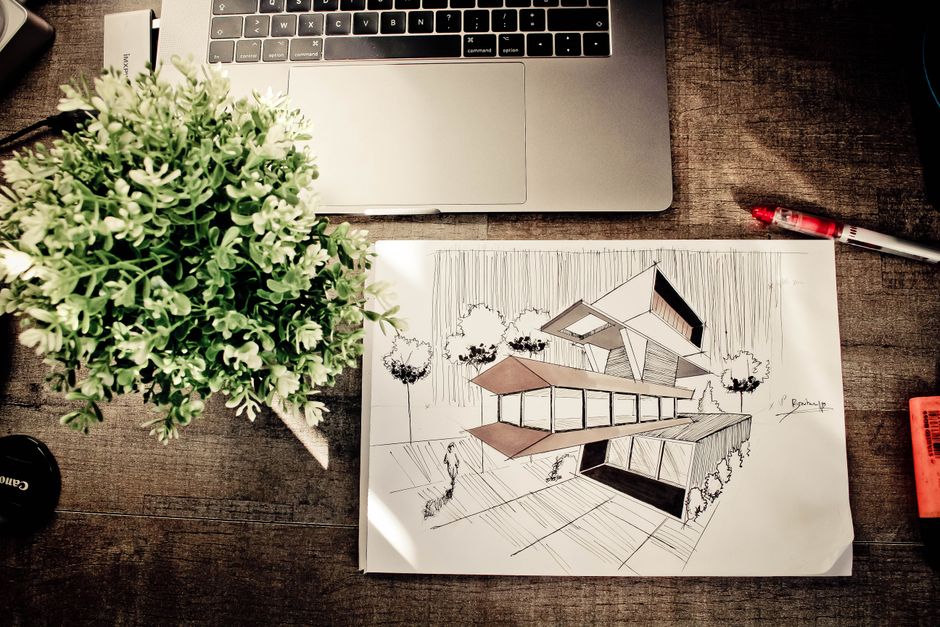
Landscape architecture is an intricate field that blends art, science, and technology to create sustainable and aesthetically pleasing outdoor spaces. As urban environments continue to grow and evolve, the role of landscape architects has become increasingly vital. From parks and gardens to urban plazas and waterfronts, these professionals shape the way we interact with our environment. This article delves into the various aspects of landscape architecture, its significance, and the future of the profession.
The Role of Landscape Architects
Landscape architects are responsible for designing, planning, and managing the land and its resources. Their work encompasses a wide range of projects, including public parks, residential gardens, and commercial landscapes. They analyze the natural landscape and consider factors such as topography, climate, and soil types to create designs that are both functional and sustainable.
One of the primary responsibilities of a landscape architect is to ensure that their designs harmonize with the natural environment. This often involves using native plants and sustainable materials to minimize environmental impact. Furthermore, landscape architects must also consider the social and cultural context of their projects, ensuring that they meet the needs of the community.
In recent years, the demand for skilled landscape architects has increased as cities strive to enhance green spaces and improve quality of life for residents. According to the U.S. Bureau of Labor Statistics, employment for landscape architects is projected to grow by 6% over the next decade, indicating a steady demand for professionals in this field.
Design Principles in Landscape Architecture
Good landscape architecture is rooted in a set of design principles that guide professionals in their work. These principles include balance, unity, contrast, and scale. Each principle plays a crucial role in creating cohesive and visually appealing designs.
Balance refers to the distribution of visual weight within a landscape. Achieving balance can involve symmetrical or asymmetrical arrangements of elements such as plants, pathways, and structures. Unity, on the other hand, ensures that all parts of the design work together to create a harmonious whole. This can be achieved through the use of similar materials, colors, and forms.
Contrast is another essential design principle, as it adds interest and variety to a landscape. This can be accomplished through the juxtaposition of different plant types, colors, or textures. Finally, scale involves considering the size and proportion of elements in relation to one another and to the surrounding environment. Understanding scale helps landscape architects create spaces that feel comfortable and inviting.
Technology in Landscape Architecture
As technology continues to advance, landscape architects are increasingly incorporating digital tools into their design processes. Software programs such as AutoCAD, SketchUp, and GIS (Geographic Information Systems) allow professionals to create detailed plans and visualizations of their projects.
Moreover, technology enhances the ability to analyze environmental conditions and assess the impact of designs on ecosystems. For example, landscape architects can use drones to survey large areas, collect data on vegetation, and assess soil health. This information is invaluable for making informed design decisions that promote sustainability.
Furthermore, the rise of 3D printing technology has opened new avenues for landscape architects to create physical models of their designs. These models help clients visualize the final outcome and provide a tangible reference for the design process.
Sustainability in Landscape Architecture
Sustainability is a fundamental aspect of modern landscape architecture. As environmental concerns become more pressing, landscape architects are tasked with designing spaces that not only look good but also contribute positively to the environment. This includes implementing rain gardens, green roofs, and permeable pavements to manage stormwater and reduce runoff.
Additionally, landscape architects advocate for biodiversity by incorporating native plants that support local wildlife. By creating habitats that encourage pollinators and other beneficial species, they help restore ecological balance in urban areas.
The importance of sustainability is reflected in various certifications and standards, such as the Sustainable Sites Initiative (SITES). This program provides a comprehensive framework for sustainable landscape design and encourages landscape architects to adopt practices that promote environmental stewardship.
Challenges and Future Trends
Despite the many rewards of a career in landscape architecture, professionals in the field face several challenges. Rapid urbanization, climate change, and budget constraints can complicate project planning and execution. Landscape architects must navigate these obstacles while still delivering high-quality designs that meet client expectations.
Looking ahead, the future of landscape architecture appears promising. As cities become increasingly populated, the demand for green infrastructure and public spaces will continue to grow. Landscape architects will play a crucial role in shaping resilient urban landscapes that prioritize sustainability and community well-being.
In conclusion, the field of landscape architecture is a dynamic and evolving discipline that requires a blend of creativity, technical skill, and environmental awareness. The contributions of landscape architects are vital in creating spaces that enhance our quality of life while protecting the planet. For those interested in pursuing a career in this field, understanding the principles and practices of landscape architecture is essential.
For more information on the role and importance of a landscape architect, consider exploring resources provided by professional organizations and educational institutions.
About the Author