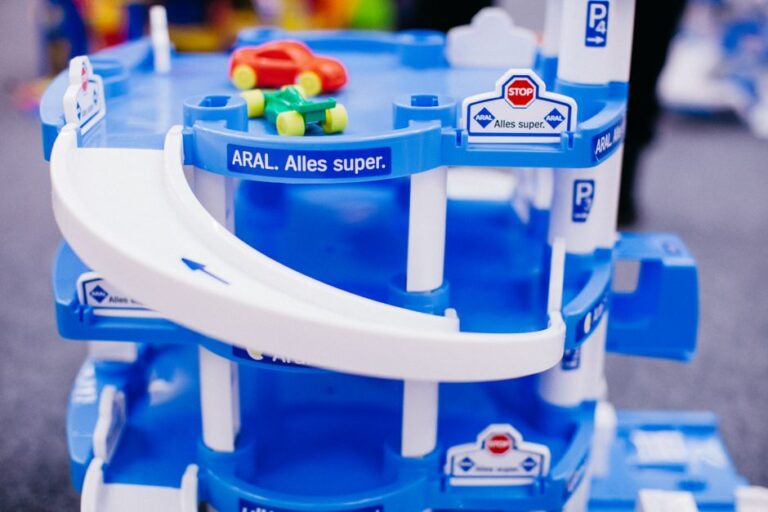
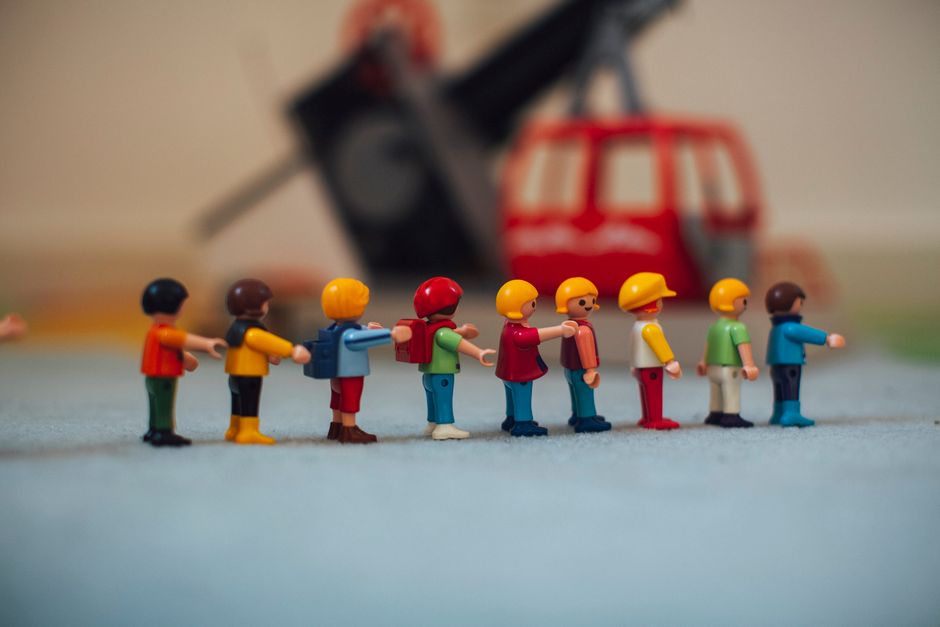
In the world of childhood, toys play a pivotal role in fostering creativity, imagination, and social skills. As technology and society evolve, the landscape of children toy manufacturers is also changing rapidly. From traditional wooden toys to high-tech interactive devices, the industry reflects broader trends in consumer behavior, safety regulations, and environmental consciousness.
Historical Overview of Toy Manufacturing
The history of toy manufacturing can be traced back to ancient civilizations where children played with simple objects. However, the industrial revolution in the 18th century marked a significant turning point. Factories began producing toys on a large scale, making them more accessible to the masses. By the late 20th century, the introduction of plastic and electronic components transformed the toy industry dramatically.
Today, major toy manufacturers strive not only to create fun and engaging products but also to adhere to stringent safety regulations. For instance, companies now prioritize the use of non-toxic materials and undergo rigorous testing to ensure compliance with global safety standards. This evolution highlights the industry’s commitment to children’s welfare and the growing awareness among parents regarding toy safety.
The Role of Technology in Modern Toys
In recent years, the integration of technology into toys has revolutionized the market. Smart toys that interact with children, such as robotic pets and app-enabled games, are becoming increasingly popular. This technological shift not only enhances play experiences but also promotes learning through interactive features.
For example, many educational toys now incorporate augmented reality, enabling children to engage with their toys in unique ways. Companies like children toy manufacturer are at the forefront of this innovation, creating products that blend education and entertainment seamlessly. As a result, parents are more inclined to invest in toys that offer educational value alongside traditional play.
Environmental Considerations in Toy Production
As sustainability becomes a pressing global issue, children toy manufacturers are increasingly adopting eco-friendly practices. Many companies are now using recycled materials and biodegradable packaging to minimize their environmental footprint. This shift not only caters to the growing demand for sustainable products but also reflects a corporate responsibility towards future generations.
Statistics show that approximately 90% of parents are willing to pay more for eco-friendly toys. This trend has prompted manufacturers to innovate and create products that are not only safe for children but also for the planet. The rise of sustainable toys is a testament to the changing values of consumers and the industry’s response to those values.
The Influence of Consumer Trends on Toy Development
Consumer preferences significantly influence the types of toys that are developed and marketed. Recent trends indicate a growing interest in toys that promote inclusivity and diversity. Manufacturers are responding by creating dolls and action figures that represent various ethnicities, abilities, and backgrounds.
Moreover, the rise of social media has also impacted toy marketing strategies. Platforms like Instagram and TikTok have become essential for companies to reach their target audience. Influencer partnerships and user-generated content play a crucial role in shaping consumer perceptions and driving sales.
Challenges Facing the Toy Industry
Despite its growth, the toy industry faces several challenges. The increasing popularity of screen-based entertainment poses a significant threat to traditional toys. Children are spending more time on devices, which can limit their interest in physical toys. As a result, manufacturers must find innovative ways to engage children and encourage them to play with tangible products.
Additionally, the COVID-19 pandemic has disrupted supply chains and manufacturing processes worldwide. Many toy manufacturers have had to adapt quickly to these challenges, finding alternative sourcing methods and adjusting their production strategies. The ability to pivot and respond effectively to such disruptions will be crucial for the long-term viability of businesses in the industry.
Conclusion
The landscape of children toy manufacturers is constantly evolving, driven by technological advancements, consumer demands, and environmental considerations. As the industry continues to grow, it is essential for manufacturers to remain adaptable and innovative. By prioritizing safety, sustainability, and inclusivity, toy companies can ensure that they not only meet the needs of today’s children but also contribute positively to their development and wellbeing.
About the Author