The interior design of a restaurant plays a crucial role in shaping the overall dining experience. From the moment customers step in, the aesthetics, layout, and atmosphere set the tone for their meal. As the competition in the culinary industry intensifies, understanding the elements that contribute to effective restaurant interior design is more important than ever. This article delves into various aspects of restaurant design, offering insights and practical advice for restaurateurs looking to create memorable spaces.
The Importance of First Impressions
First impressions are paramount in the restaurant business. Studies show that diners form opinions within seconds of entering a space. A well-thought-out interior design can elevate the restaurant’s appeal, making it inviting and comfortable. Factors such as color schemes, lighting, and furniture play significant roles in this immediate perception. For instance, warm colors can create a cozy atmosphere, while bright, bold hues can energize the space.
Moreover, the choice of furniture can influence customer behavior. Comfortable seating encourages longer stays, potentially increasing revenue. According to a survey conducted by the National Restaurant Association, 60% of diners prefer a restaurant with an aesthetically pleasing interior. Thus, investing in professional restaurant interior design can yield substantial returns.
Maximizing Space Efficiency
Space efficiency is another critical aspect of restaurant interior design. The layout must facilitate smooth movement for both patrons and staff. An effective floor plan minimizes congestion and enhances service efficiency. For example, placing the kitchen close to the dining area can expedite food delivery, while strategically positioning tables can create a natural flow of traffic.
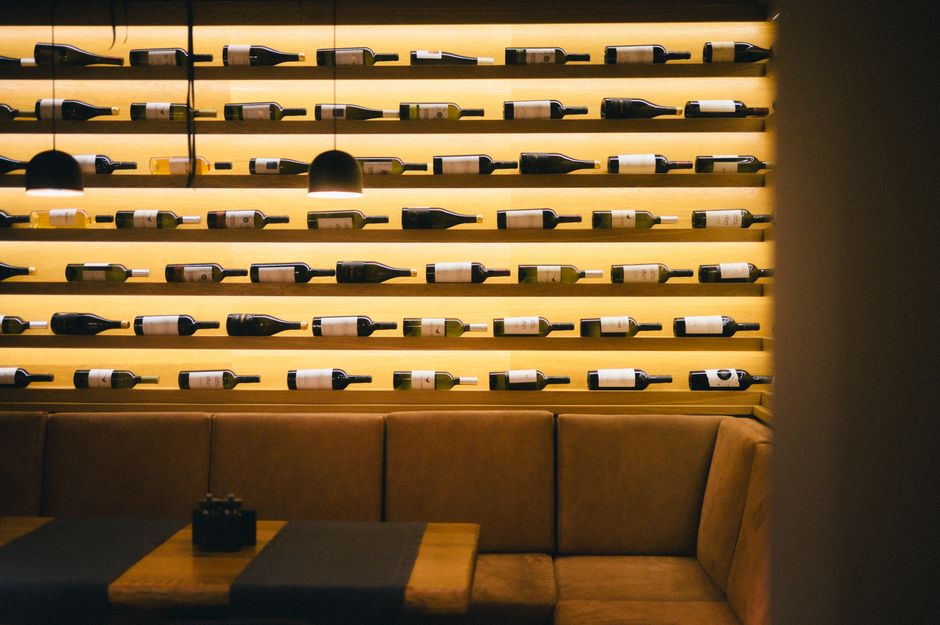
Utilizing vertical space is also essential, especially in smaller establishments. Wall-mounted shelves and decorations can free up floor space while adding to the overall aesthetic. Additionally, incorporating multi-functional furniture, such as tables that can be adjusted for different group sizes, can optimize the space further.
Creating a Unique Theme
A distinct theme can set a restaurant apart from its competitors. Whether it’s a rustic farmhouse vibe or a modern minimalist approach, a well-defined concept can attract specific customer demographics. Themes should resonate with the restaurant’s cuisine, enhancing the overall dining experience.
For example, a seafood restaurant may incorporate nautical elements, such as fishing nets and seashells, into its design. This not only creates an immersive experience but also reinforces the brand identity. Furthermore, consistent theming throughout the interior, from decor to staff uniforms, can create a cohesive experience that diners will remember.
Incorporating Technology in Design
In today’s digital age, integrating technology into restaurant design is becoming increasingly prevalent. Features like digital menus, online reservations, and contactless payment systems enhance convenience for customers. Moreover, the use of technology in the dining environment can create a modern and sophisticated atmosphere.
Smart lighting systems, for instance, can adjust the ambiance based on the time of day or the mood of the crowd. Additionally, using augmented reality displays can provide diners with an interactive menu experience, allowing them to visualize dishes before ordering. These technological advancements not only improve efficiency but also add a unique touch to the overall dining experience.
Final Touches: Decor and Accessories
The final elements of a restaurant’s interior design lie in its decor and accessories. Artwork, plants, and lighting fixtures can significantly influence the ambiance. Original art pieces can serve as conversation starters, while greenery can enhance the overall atmosphere, promoting a sense of tranquility.
Furthermore, the right lighting can dramatically alter the mood of a restaurant. Soft, warm lighting creates an intimate setting, while brighter lights can energize the space during busy hours. It’s essential to strike a balance that aligns with the restaurant’s theme and target audience.
Conclusion
In conclusion, restaurant interior design is a multifaceted discipline that requires careful consideration and planning. From creating a welcoming first impression to maximizing space efficiency and incorporating technology, every detail matters. By investing in thoughtful design, restaurateurs can create unique dining experiences that resonate with customers, ultimately driving success and profitability in the competitive restaurant landscape. Whether through professional consultation or DIY efforts, the journey of crafting the perfect interior is one worth undertaking.
About the Author