The ambiance of a restaurant plays a crucial role in the overall dining experience. It is not just about serving delicious food; the interior design can significantly influence customer satisfaction and loyalty. In today’s competitive market, restaurant owners must pay close attention to how their spaces look and feel. From choosing the right color palettes to selecting furniture that complements the cuisine, every detail counts in creating an inviting atmosphere.
Understanding the Importance of Restaurant Interior Design
When we talk about restaurant interior design, we are discussing much more than aesthetics. A well-thought-out design contributes to the restaurant’s branding and can even impact the menu prices. Studies show that customers are willing to pay more for a meal in a beautifully designed space. This perception stems from the idea that a restaurant’s visual appeal reflects its quality. Hence, investing in professional design services is not just an expense; it is a strategic move.
Moreover, the layout of a restaurant can impact operational efficiency. A well-designed kitchen and dining area facilitate smoother service, leading to a better customer experience. For example, placing the kitchen close to the dining area reduces the time it takes for food to reach the table, enhancing customer satisfaction.
Elements of Effective Restaurant Interior Design
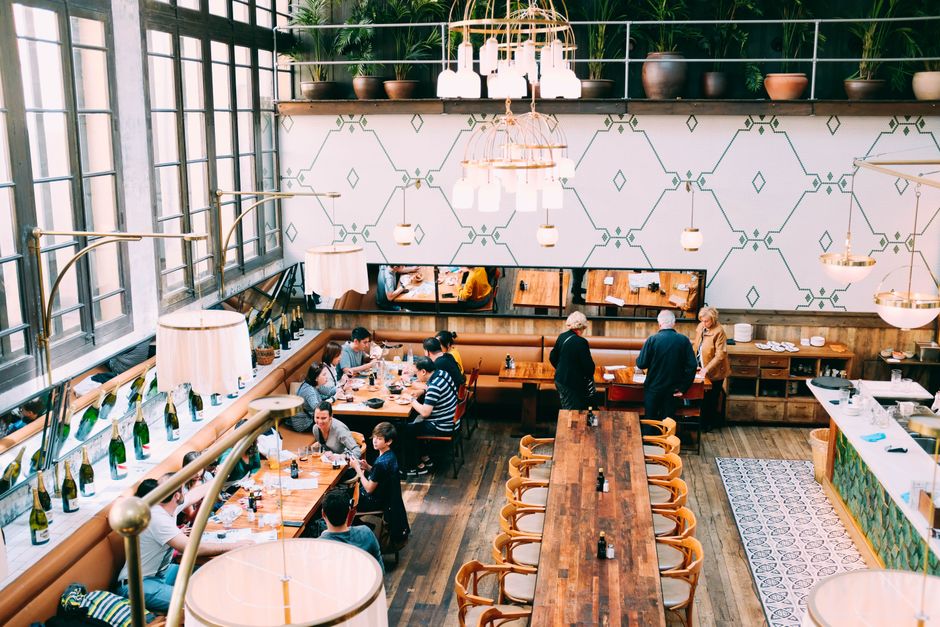
There are several critical elements to consider when designing a restaurant’s interior. First, lighting plays an essential role in setting the mood. Soft, warm lighting can create a cozy atmosphere, while bright lights may be suitable for casual dining. In addition, natural light can enhance the dining experience, making it more enjoyable.
Another important aspect is furniture selection. The type of chairs and tables you choose can affect both comfort and style. For example, plush seating may be ideal for fine dining, while more casual options work well in fast-casual establishments. Consideration of the space available is also crucial; overcrowded tables can make diners feel uncomfortable.
Color Schemes and Themes
Color schemes are a powerful tool in restaurant interior design. Colors can evoke emotions and influence dining behavior. For instance, warm colors like red and orange can stimulate appetite, while cooler tones like blue can have a calming effect. Choosing a cohesive theme that aligns with the restaurant’s concept can also enhance the overall experience. For example, a nautical theme might incorporate blues and whites, combined with marine-inspired decor.
Furthermore, integrating local elements into the design can create a unique identity for the restaurant. This not only attracts local patrons but also provides a memorable experience for tourists. The use of local art, materials, and cultural references can foster a sense of community and belonging.
Maximizing Space and Functionality
Space optimization is another crucial aspect of restaurant interior design. The layout should not only facilitate customer flow but also accommodate staff movements efficiently. For instance, a well-planned bar area can serve as a focal point while also maximizing seating capacity. Using versatile furniture that can be rearranged for different occasions can also enhance functionality.
In addition, outdoor spaces have become increasingly popular in restaurant design. Creating an inviting patio or garden area can attract more customers, especially during pleasant weather. Incorporating elements like heaters for cooler temperatures or umbrellas for sun protection can make these spaces more usable year-round.
Trends in Restaurant Interior Design
The restaurant design landscape is continuously evolving. Currently, sustainability is a significant trend, with many establishments opting for eco-friendly materials and designs that minimize waste. Reclaimed wood, energy-efficient lighting, and plants can create a sustainable yet stylish environment.
Technology integration is also on the rise. Many restaurants are now using digital menus and online reservations, which can influence the physical design of the space. For example, having charging stations for devices can appeal to tech-savvy diners, while screens displaying promotions or menus can engage customers.
Lastly, the concept of experiential dining is becoming more prevalent. This approach emphasizes creating memorable experiences that go beyond just food. Restaurants that incorporate interactive elements or unique themes can attract a loyal customer base, making the interior design a pivotal factor in their success.
Conclusion
In conclusion, the role of restaurant interior design cannot be overstated. It influences everything from customer satisfaction to operational efficiency. By focusing on key elements such as layout, color schemes, and sustainability, restaurant owners can create spaces that resonate with their target audience. Investing in professional restaurant interior design services can ultimately lead to increased profitability and a strong brand identity. In a world where dining is as much about the experience as it is about the food, thoughtful design is essential for any restaurant’s success.
About the Author