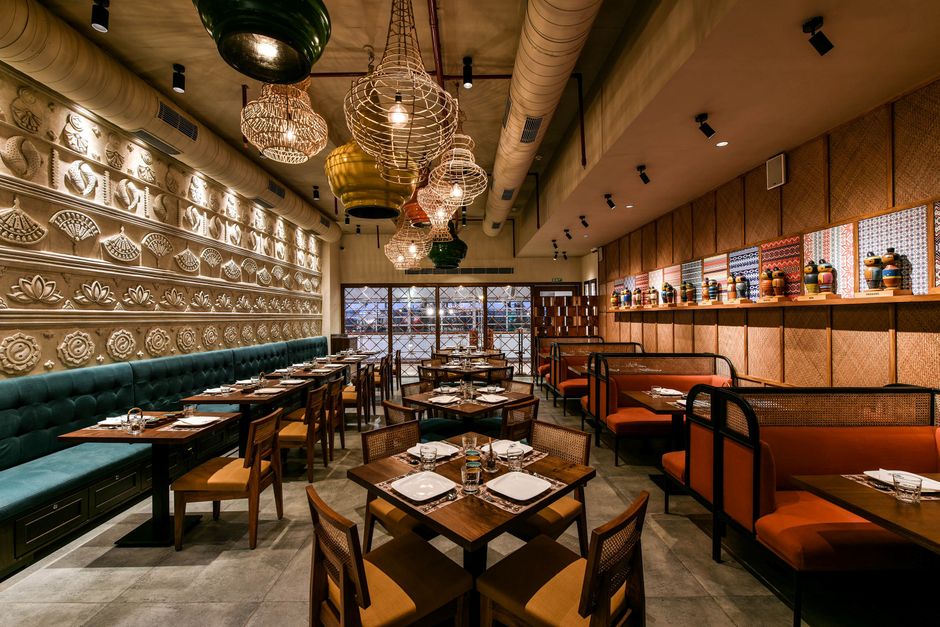
When it comes to creating an unforgettable dining experience, the role of restaurant interior design cannot be overstated. A thoughtfully designed space not only enhances the aesthetic appeal but also influences the mood and behavior of diners. From cozy bistros to upscale fine dining establishments, the interior design sets the tone for the entire culinary experience. This article explores key elements of restaurant interior design that can make or break a restaurant’s success.
Understanding the Importance of Interior Design
The interior design of a restaurant is more than just selecting furniture and colors. It is a multi-faceted approach that integrates functionality, aesthetics, and branding. Research has shown that a well-designed environment can increase customer satisfaction and drive repeat business. For instance, a study by the Restaurant Association revealed that 70% of diners consider the ambiance equally important as the food itself. This indicates that restaurateurs should prioritize creating a captivating atmosphere.
Moreover, first impressions matter. The moment customers step into a restaurant, they form an opinion based on the interior design. Elements such as lighting, layout, and decor collectively shape this perception. Therefore, investing in high-quality restaurant interior design is essential for attracting and retaining customers.
Key Elements of Effective Restaurant Interior Design
Several factors contribute to successful restaurant interior design. Here are some key elements to consider:
1. Layout and Flow: The layout of a restaurant should facilitate a smooth flow of both staff and customers. An open layout encourages interaction and creates a welcoming environment, while designated areas for dining and waiting can enhance efficiency. Additionally, the placement of tables should allow for comfortable spacing, ensuring diners have an enjoyable experience without feeling cramped.
2. Lighting: Lighting plays a crucial role in setting the mood. Soft, warm lighting creates an intimate atmosphere, ideal for romantic dinners, while bright, vibrant lighting is suitable for casual dining. Layering different types of lighting—ambient, task, and accent—can also add depth and interest to the space.
3. Color Scheme: Colors evoke emotions and can significantly impact a diner’s experience. Warm colors like red and orange stimulate appetite, while cooler shades like blue can create a calming effect. A cohesive color scheme that aligns with the restaurant’s theme is vital for visual harmony.
The Role of Branding in Interior Design
Branding is another critical aspect of restaurant interior design. The design should reflect the restaurant’s identity and values. For example, a farm-to-table restaurant may incorporate rustic elements like reclaimed wood and earthy tones to convey sustainability and freshness. On the other hand, a modern sushi bar might opt for sleek lines and minimalist decor to emphasize sophistication.
Incorporating branding into the interior design helps create a memorable experience. Customers should be able to identify the restaurant’s brand through its decor, menu design, and overall ambiance. This consistency reinforces brand recognition and loyalty.
Incorporating Technology in Restaurant Design
In today’s digital age, technology integration is becoming increasingly essential in restaurant design. From digital menus to contactless payment systems, technology can enhance the customer experience. Furthermore, utilizing smart lighting and climate control systems can optimize the ambiance and energy efficiency.
Designers are also exploring virtual and augmented reality to create immersive dining experiences. For instance, some restaurants have begun using augmented reality menus that allow diners to visualize their meals before ordering. This not only enhances engagement but also adds a unique twist to the dining experience.
Conclusion: The Future of Restaurant Interior Design
As the restaurant industry continues to evolve, so too will the trends in interior design. Sustainability, technology integration, and personalized experiences will likely shape the future of restaurant spaces. Restaurateurs who prioritize thoughtful design will not only attract more customers but also create lasting impressions that encourage repeat visits.
Ultimately, successful restaurant interior design is about understanding the interplay between space and experience. By focusing on key elements such as layout, lighting, color, and branding, restaurateurs can transform their spaces into inviting and memorable dining destinations. For those looking to elevate their restaurant’s atmosphere, exploring professional services in restaurant interior design can provide valuable insights and innovative solutions.
About the Author