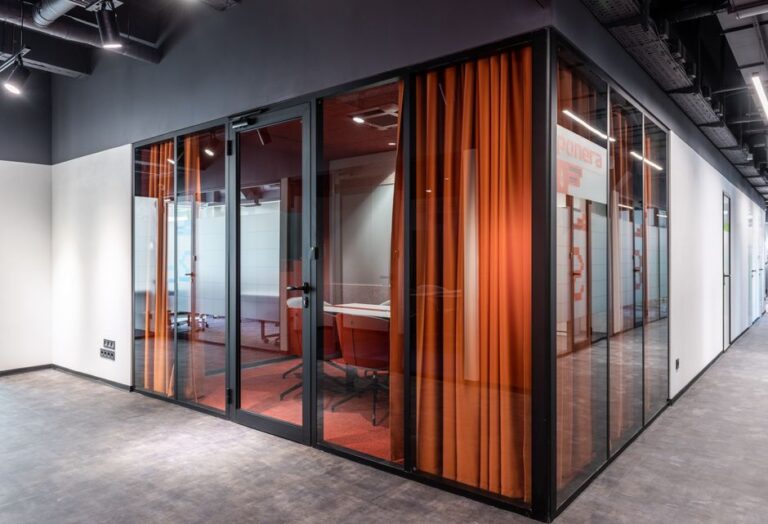

The commercial real estate (CRE) market has undergone significant transformations in recent years, influenced by various economic shifts, technological advancements, and changing consumer behaviors. This article delves into the current state of commercial real estate, examining key trends, challenges, and opportunities that define this vital sector of the economy.
Understanding Commercial Real Estate
Commercial real estate encompasses properties used exclusively for business purposes. These can include office buildings, retail spaces, industrial properties, and multifamily housing units. Unlike residential real estate, which focuses on living accommodations, CRE is primarily about generating profit through rental income or capital appreciation.
According to a report by the National Association of Realtors, the commercial real estate market was valued at approximately $16 trillion in the United States alone as of 2022. This figure highlights the immense scale and significance of the sector in the overall economy.
Investors are increasingly drawn to commercial real estate due to its potential for stable cash flow and long-term appreciation. However, navigating this complex market requires a deep understanding of various factors, including location, property type, and market conditions.
Current Trends in the Market
One of the most notable trends in commercial real estate is the rise of remote work, which has dramatically impacted office space demand. Many companies are reassessing their need for physical office locations, leading to a surge in vacant office buildings in urban areas. According to a recent survey, 61% of companies plan to adopt a hybrid work model, which could lead to a decline in traditional office space requirements.
Conversely, the retail sector is witnessing a transformation, with e-commerce driving changes in consumer shopping habits. Brick-and-mortar stores are adapting by integrating technology and enhancing customer experiences. Properties that offer a mixed-use environment, combining retail, dining, and entertainment, are becoming increasingly popular as they cater to evolving consumer preferences.
Investors are also focusing on sustainability and green building certifications. Properties with energy-efficient features tend to attract more tenants and command higher rents. The demand for sustainable commercial spaces is rising, with 80% of investors indicating that sustainability is a priority in their investment strategies.
Challenges Facing Commercial Real Estate
Despite the opportunities, commercial real estate is not without its challenges. Economic uncertainty, particularly in the wake of the COVID-19 pandemic, has created hesitation among investors. Market fluctuations, rising interest rates, and inflation can significantly impact property values and rental income.
Additionally, regulatory changes and zoning laws can pose risks to developers and investors. Understanding local regulations is crucial for successfully navigating the commercial real estate landscape.
Another challenge is the integration of technology in the industry. While technology offers various solutions for property management and tenant engagement, it also requires significant investment. Companies must balance the costs of implementing new technologies with the potential benefits they offer.
Investment Opportunities in Commercial Real Estate
Investors looking to enter the commercial real estate market should consider several factors to maximize their returns. Identifying emerging markets with growth potential can lead to lucrative investments. For example, cities experiencing population growth or economic development often present opportunities for commercial property investment.
Another strategy is to focus on properties that cater to niche markets. For instance, medical office buildings and data centers have witnessed increased demand due to specific industry needs. These properties often provide stable income streams and lower vacancy rates.
Furthermore, investing in properties that require renovation or repositioning can yield high returns. By improving a property’s appeal and functionality, investors can increase its market value and attract higher-paying tenants.
Conclusion: The Future of Commercial Real Estate
The future of commercial real estate is poised for change, driven by evolving market dynamics and consumer preferences. As businesses adapt to new operational models and technologies, the CRE sector must also evolve to meet these demands. Investors who stay informed about market trends, regulatory changes, and technological advancements will be better positioned to capitalize on opportunities in this ever-changing landscape.
Ultimately, while challenges exist, the commercial real estate market remains a key player in the economy, offering potential for those willing to navigate its complexities. For further insights and listings, you can explore commercial real estate opportunities that may suit your investment strategy.
About the Author