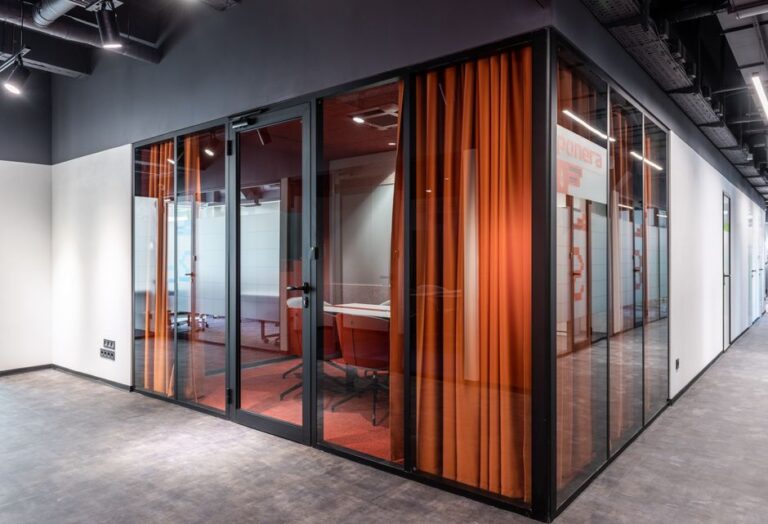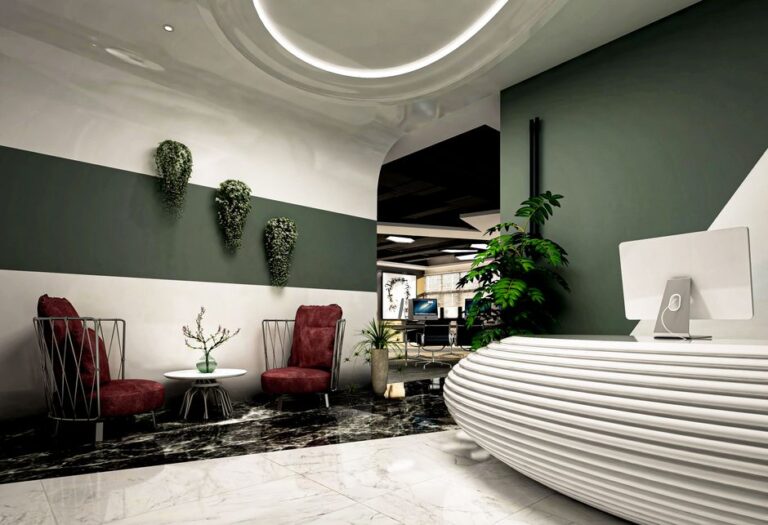

Stainless steel has become a cornerstone of contemporary design, combining aesthetics with functionality. Renowned for its durability and resistance to corrosion, stainless steel is not just a material but a statement in architecture, furniture, and everyday items. From high-end kitchens to minimalist furniture, its versatility allows it to fit seamlessly into various design philosophies.
Understanding Stainless Steel
Stainless steel is an alloy primarily composed of iron, carbon, and at least 10.5% chromium. This unique combination gives it its remarkable resistance to rust and staining, making it ideal for a wide range of applications. The chromium in the alloy forms a passive layer of chromium oxide on the surface, which protects the underlying metal from environmental factors that typically cause corrosion.
This alloy comes in several grades, each suited for specific applications. For instance, 304 stainless steel is the most commonly used grade in kitchen appliances and food handling equipment due to its high corrosion resistance and ease of cleaning. In contrast, 316 stainless steel is often employed in marine applications due to its enhanced resistance to chloride corrosion.
Applications of Stainless Steel in Interior Design
One of the most notable applications of stainless steel is in kitchen design. Its sleek appearance and hygienic properties make it a favored material for countertops, sinks, and appliances. The popularity of open-concept kitchens has further propelled the use of stainless steel, as it complements the modern aesthetic while remaining functional.
Beyond kitchens, stainless steel is increasingly being used in furniture design. Tables and chairs made from stainless steel offer a contemporary look that is both durable and easy to maintain. For example, a high-quality Furniture Company In Saudi Arabia might utilize stainless steel frames for their products, ensuring longevity and style.
Stainless Steel in Architecture
Architects have embraced stainless steel for its structural integrity and visual appeal. Skyscrapers, bridges, and public buildings often feature stainless steel facades and structural elements. The Sydney Opera House and the Guggenheim Museum in Bilbao are prime examples of how stainless steel can be used to create iconic architectural masterpieces.
The reflective quality of stainless steel can enhance natural light and create dynamic visual effects, which is particularly valuable in urban environments. Additionally, its low maintenance requirements make it an economical choice for large-scale projects.
The Environmental Impact of Stainless Steel
As sustainability becomes an increasing concern in design and construction, stainless steel stands out as an environmentally friendly material. It is 100% recyclable, meaning that it can be reprocessed and reused without losing its properties. This recyclability contributes to a lower carbon footprint compared to other materials.
Moreover, the long lifespan of stainless steel products reduces the need for frequent replacements, thereby conserving resources over time. Many manufacturers are now focusing on sustainable practices in the production of stainless steel, ensuring that the material not only serves contemporary needs but also respects the environment.
Future Trends in Stainless Steel Design
Looking ahead, the use of stainless steel in design is expected to grow, influenced by trends in minimalism and industrial aesthetics. Innovations in finishing techniques, such as brushed, polished, and matte finishes, allow designers to explore new visual dimensions with stainless steel.
Furthermore, advancements in technology may lead to the development of new stainless steel alloys that enhance performance and reduce production costs. As the demand for sustainable materials increases, stainless steel will likely continue to be at the forefront of design, bridging the gap between functionality and modern aesthetics.
Conclusion
Stainless steel is more than just a material; it is a symbol of modern design and innovation. Its unique properties make it a favorite among architects, designers, and homeowners alike. As we move forward, the role of stainless steel in our environments will undoubtedly evolve, but its enduring appeal will remain a constant in the ever-changing landscape of design.
About the Author