
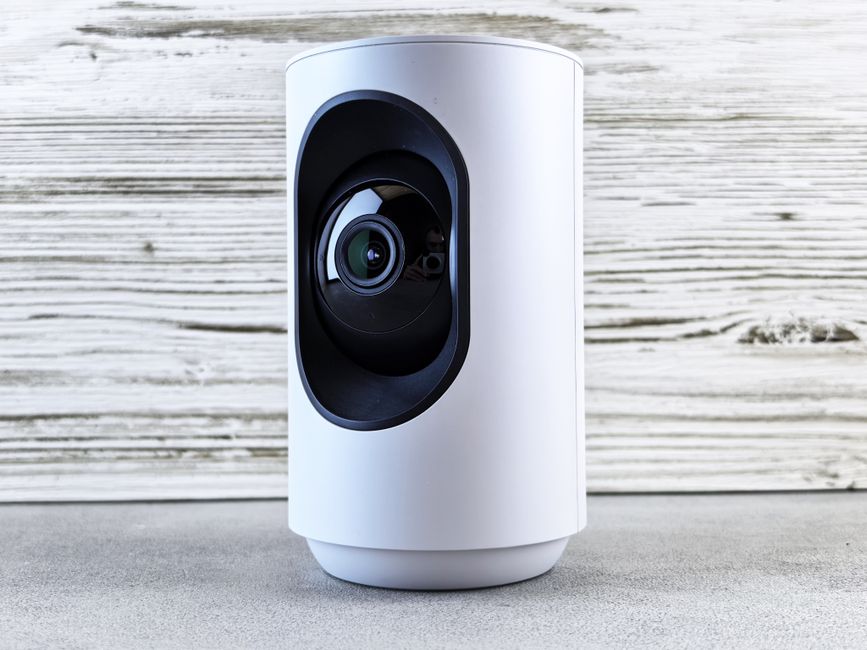
In today’s world, the importance of home security cannot be overstated. With rising burglary rates and increasing concerns about personal safety, investing in a reliable home security system has become a necessity for many households. This guide will delve into the various aspects of home security systems, helping you make informed decisions to safeguard your home and loved ones.
Understanding Home Security Systems
Home security systems are designed to protect your property from intruders and other potential threats. These systems can include a combination of alarms, surveillance cameras, motion detectors, and access control devices. Understanding the different components of a home security system is crucial for selecting the right one for your needs.
Typically, a standard home security system consists of a control panel, sensors, cameras, and monitoring services. The control panel acts as the brain of the system, allowing homeowners to arm and disarm the system, as well as receive alerts about any suspicious activities. Sensors can be placed on doors and windows to detect unauthorized entry, while cameras provide visual surveillance of the property.
The Benefits of Installing a Security System
One of the primary benefits of having a home security system is the peace of mind it offers. Knowing that your home is protected 24/7 can significantly reduce anxiety levels. Furthermore, many insurance companies offer discounts on homeowners’ insurance premiums for homes equipped with security systems, making it a financially sound investment.
Moreover, modern security systems come with advanced features such as remote monitoring. Homeowners can access live feeds from their security cameras through mobile applications, allowing them to keep an eye on their property even when they are away. This is particularly useful for those who travel frequently or have second homes.
Choosing the Right Security System for Your Home
When selecting a home security system, consider factors such as the size of your property, your budget, and specific security needs. For larger homes, a comprehensive system with multiple cameras and sensors may be required. On the other hand, smaller homes may only need basic security features.
Additionally, consider whether you prefer a professionally monitored system or a DIY option. Professional monitoring services provide constant surveillance and immediate response to alarms, but they often come with monthly fees. DIY systems, while more affordable, require homeowners to monitor alerts themselves.
Trends in Home Security Technology
The home security industry is continually evolving, with new technologies emerging to enhance safety features. Smart home integration is one of the most significant trends, allowing homeowners to connect their security systems with other smart devices in their homes. For example, security cameras can be programmed to send alerts to smartphones when motion is detected, or smart locks can be controlled remotely.
Another trend gaining popularity is the use of artificial intelligence (AI) in security systems. AI can analyze patterns in surveillance footage, helping to distinguish between normal activity and potential threats. This technology minimizes false alarms and improves the overall effectiveness of security systems.
Conclusion: Investing in Your Home’s Safety
In conclusion, a reliable home security system is an essential investment for any homeowner. With various options available, from basic alarms to advanced smart security systems, there is a solution for every need and budget. By understanding the components, benefits, and latest trends in home security, you can make an informed decision to protect your home and loved ones. Don’t wait until it’s too late; take the necessary steps to secure your sanctuary today.
About the Author