
Home improvement is not just about aesthetics; it’s about creating a space that reflects your personality and meets your practical needs. Whether you are looking to increase the value of your property or simply enhance your living environment, there are countless ways to improve your home. From minor upgrades to significant renovations, understanding the nuances of home improvement is crucial for homeowners and renters alike.
Understanding Your Home’s Potential
Before embarking on any home improvement project, it’s essential to assess your home’s current condition and potential. This involves looking at various elements, such as structural integrity, plumbing, electrical systems, and overall aesthetics. For example, a well-maintained roof can significantly enhance curb appeal while preventing costly repairs down the line.
Additionally, understanding your home’s layout can lead to better space utilization. Many homeowners overlook the potential of their existing space. A simple reconfiguration of furniture or the addition of multi-functional furniture can transform a cluttered room into a spacious and inviting area.
Furthermore, consider the local real estate market when planning improvements. Certain upgrades, like kitchen remodels or bathroom renovations, often yield higher returns on investment. According to a recent report, kitchen remodels can recoup up to 80% of their costs upon resale, making them a wise choice for homeowners looking to sell in the future.
DIY vs. Professional Help
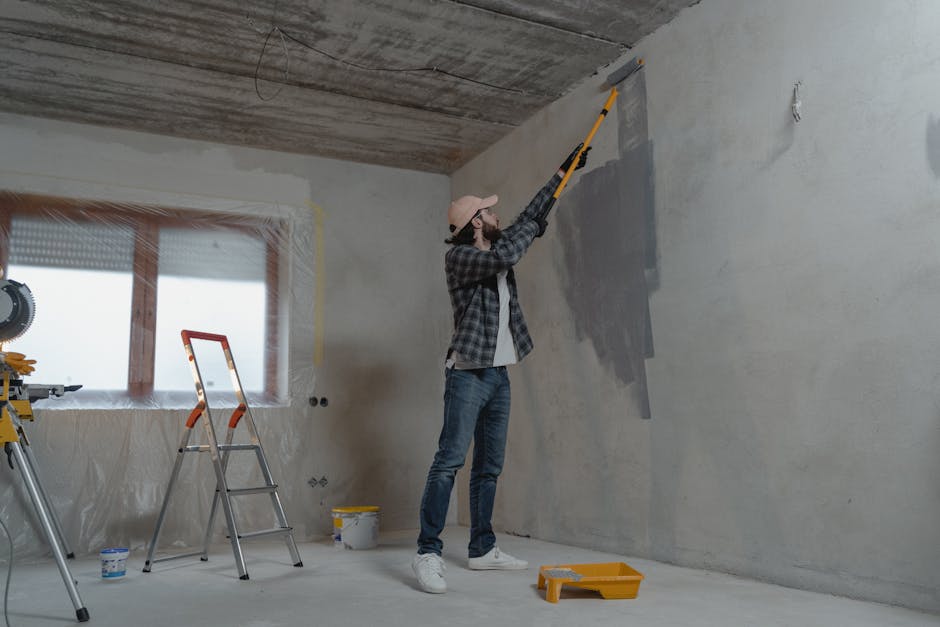
One of the fundamental decisions in home improvement is whether to tackle projects yourself or hire professionals. DIY projects can be rewarding and cost-effective but require a significant investment of time and effort. For instance, painting a room or installing new light fixtures can often be done without professional help.
However, more complex projects, such as plumbing or electrical work, may require professional expertise. Mistakes in these areas can lead to safety hazards or expensive repairs. It’s crucial to weigh your skills and the complexity of the task before deciding. If you’re unsure, it’s always safer to consult professionals.
In some cases, a hybrid approach works best. You can handle the cosmetic aspects of a renovation while leaving the structural changes to experts. This not only saves money but also allows you to retain a sense of accomplishment.
Eco-Friendly Improvements
As environmental awareness grows, many homeowners are looking for ways to make their homes more eco-friendly. Sustainable home improvements not only benefit the planet but can also save you money in the long run. For example, installing energy-efficient windows can reduce heating and cooling costs significantly.
Another eco-friendly option is to incorporate smart home technology. Smart thermostats, for instance, can learn your habits and optimize energy usage, leading to lower utility bills. According to studies, homes with smart technology can save up to 30% on energy costs.
Additionally, consider using recycled or sustainable materials for renovations. Bamboo flooring, recycled glass countertops, and low-VOC paints are excellent choices that contribute to a healthier living environment while minimizing your carbon footprint.
Budgeting for Home Improvements
Effective budgeting is essential for any home improvement project. Start by determining how much you can realistically spend without compromising your financial stability. It’s advisable to set aside a contingency fund of at least 10-15% of your total budget to account for unexpected expenses.
When planning your budget, prioritize projects that are necessary and add value to your home. For instance, updating outdated plumbing or electrical systems should take precedence over cosmetic upgrades like new wallpaper.
Moreover, researching materials and obtaining multiple quotes from contractors can help you stay within budget. Websites and resources, such as fashion blog, can provide insights into current trends and pricing, helping you make informed decisions.
Creating a Vision
Having a clear vision for your home improvement project is crucial for maintaining focus and direction. Start by gathering inspiration from various sources, such as magazines, websites, or home improvement shows. Create a mood board that encapsulates your style preferences, color schemes, and desired materials.
Once you have a vision, break it down into manageable steps. This could involve sketching out designs, listing necessary materials, and creating a timeline for completion. A well-structured plan not only keeps you organized but also allows you to track your progress.
Finally, remember that home improvement is a journey, and it’s important to remain flexible. Projects may take longer than expected or require adjustments along the way. Embrace the process and enjoy the transformation of your living space.
Conclusion
Home improvement is a rewarding endeavor that can significantly enhance your quality of life and increase your property value. By understanding your home’s potential, weighing DIY versus professional help, adopting eco-friendly practices, budgeting wisely, and creating a clear vision, you can navigate the world of home improvement with confidence. With each project, you not only improve your living environment but also create a space that truly feels like home.
About the Author