Replacing a roof is a significant investment for homeowners, often raising questions about the costs involved. The total cost can vary widely based on several factors, including the type of roofing material, the size of the roof, and the region in which you live. In this article, we will explore the various elements that contribute to the overall roof replacement cost, helping homeowners make informed decisions.
Factors Influencing Roof Replacement Costs
When estimating the cost of roof replacement, it’s crucial to understand the different factors that can impact pricing. One of the primary considerations is the type of roofing material chosen. Options range from asphalt shingles to metal roofing, each with its own price point and lifespan. For instance, while asphalt shingles may cost less initially, metal roofing could offer better durability and energy efficiency over time.
In addition to materials, the size and pitch of the roof play a significant role in determining costs. A larger roof will naturally require more materials and labor, increasing the total expenditure. Furthermore, roofs with a steeper pitch may complicate installation and, thus, can lead to higher labor costs. Therefore, it is essential to evaluate your current roof’s dimensions and slope before proceeding.
Location is another factor that affects roof replacement costs. In regions prone to severe weather, such as heavy rains or snow, homeowners might need to invest in higher-quality materials or additional structural support. Additionally, local labor rates can vary significantly, impacting the overall cost. It is advisable to consult with local contractors to get a clearer understanding of the regional pricing.
Average Costs of Different Roofing Materials
The cost of roofing materials can fluctuate considerably based on their type. Here is a breakdown of some common roofing materials and their average costs per square foot:
- Asphalt Shingles: $90 to $100 per square
- Metal Roofing: $100 to $300 per square
- Slate Roofing: $600 to $1,500 per square
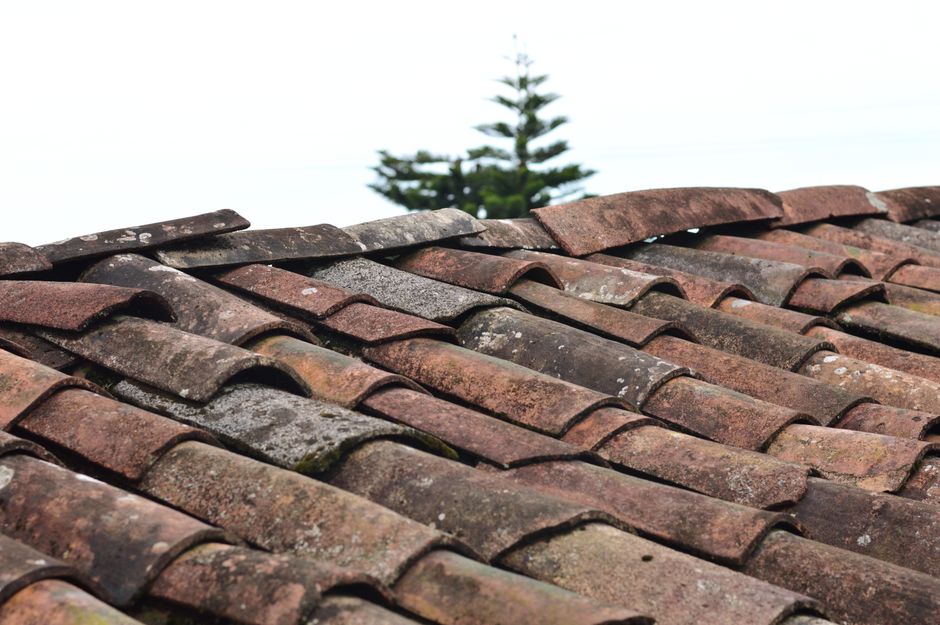
- Tile Roofing: $300 to $800 per square
As illustrated, asphalt shingles are often the most budget-friendly option, making them a popular choice among homeowners. However, investing in metal or tile roofing can offer long-term savings due to their longevity and energy efficiency. As you consider your options, think about not only the upfront costs but also the long-term benefits of your chosen material.
Labor Costs and Additional Expenses
Labor costs can constitute a significant portion of the total roof replacement expense. On average, homeowners can expect to pay between $50 and $150 per hour for professional roofing labor. The total labor cost will depend on the complexity of the job, the size of the roof, and the experience of the contractor. It’s essential to obtain multiple quotes from different contractors to ensure you receive a fair price.
Besides labor, homeowners should also factor in potential additional costs. These may include disposal fees for the old roofing material, any necessary structural repairs, and the installation of underlayment or insulation. Some contractors might offer a comprehensive package that includes these additional services, while others may charge separately.
For instance, if your roof shows signs of structural damage, it may be necessary to replace rotting wood or reinforce the framework, which can add significantly to your overall roof replacement cost. It’s wise to have a professional inspection done to assess any underlying issues before beginning the project.
Financing Options for Roof Replacement
Given the substantial expense associated with roof replacement, many homeowners seek financing options to manage costs effectively. Various financing solutions are available, including personal loans, home equity lines of credit, and specialized home improvement loans. Each option has its pros and cons, so it’s crucial to evaluate which aligns best with your financial situation.
Additionally, some roofing companies offer in-house financing or payment plans, making it easier for homeowners to afford their services. Be sure to ask potential contractors about financing options when gathering quotes.
Furthermore, it’s also worth exploring any available grants or assistance programs that may help offset costs, especially for energy-efficient roofing upgrades. Understanding all financing avenues can greatly ease the financial burden of roof replacement.
Conclusion
In summary, the cost of roof replacement can vary widely based on factors such as materials, size, labor, and location. Homeowners should conduct thorough research and obtain multiple estimates to ensure they understand the total expenses involved. By considering the long-term benefits of different materials and exploring financing options, homeowners can make informed decisions that align with their budgets. For those looking to learn more about the roof replacement cost, consulting professionals and conducting diligent research is vital to a successful roofing project.
About the Author